Laparoscopic Treatment for Endometriosis and Infertility | Plodnost
13 March 2026
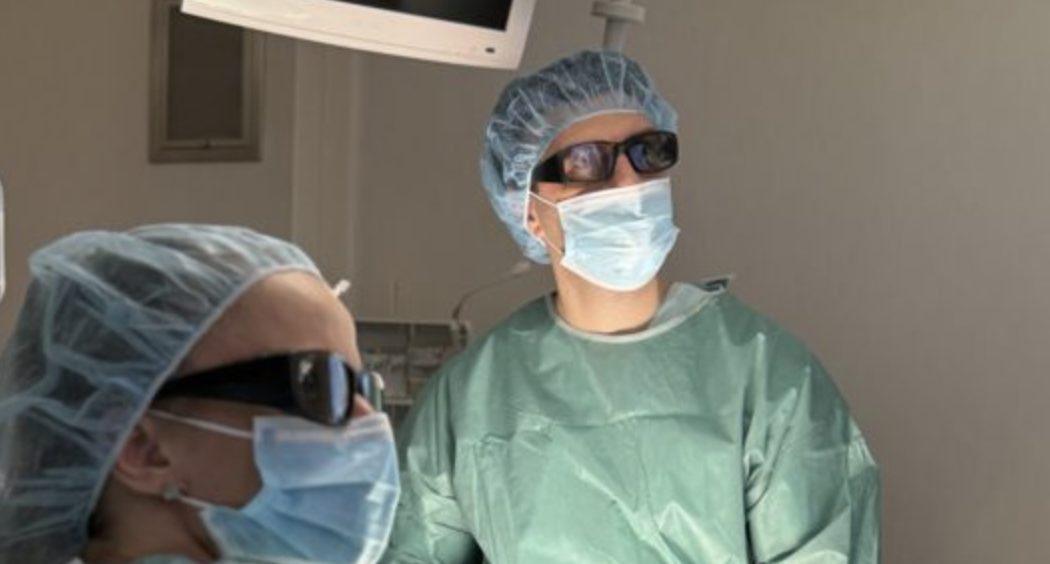
Endometriosis and Infertility: How Laparoscopy Supports Fertility Preservation
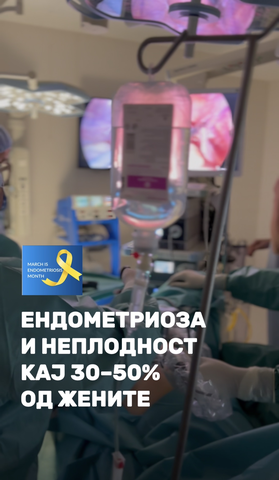
Endometriosis is one of the most common conditions that can significantly affect a woman’s fertility. In our daily clinical work at Plodnost, we frequently see patients whose diagnosis of endometriosis is closely linked to difficulties in conceiving, as well as chronic pelvic pain and reduced quality of life.
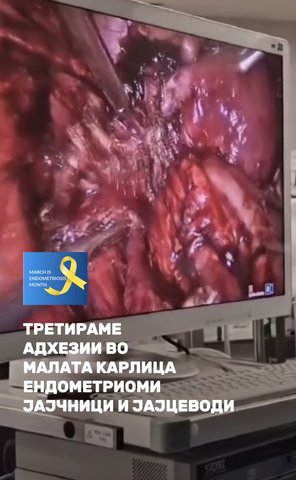
This condition occurs when endometrial tissue, which normally lines the inside of the uterus, begins to grow outside of it. As a result, inflammatory processes can develop within the pelvic cavity, often leading to the formation of adhesions. These adhesions can alter the natural anatomy of the reproductive organs, affecting the ovaries, fallopian tubes and surrounding structures, and ultimately making natural conception more difficult.
In some patients, endometriosis leads to the formation of ovarian cysts known as endometriomas. These cysts can interfere with ovulation and may also negatively impact egg quality. In other cases, anatomical changes within the pelvis can disrupt the normal movement of the egg and sperm, further reducing the chances of achieving pregnancy naturally.
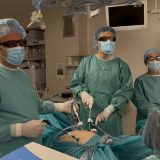
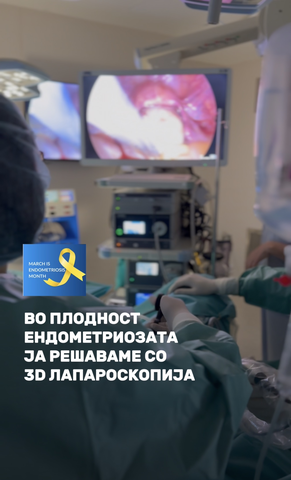
In such situations, modern laparoscopy plays a crucial role as both a diagnostic and therapeutic tool. Using a minimally invasive approach, we are able to precisely remove endometriotic lesions, release adhesions and restore the normal pelvic anatomy. This not only helps relieve symptoms but also significantly improves the conditions for conception.
At Plodnost, every treatment plan is tailored individually. Endometriosis presents differently in each patient, and the approach must be adapted accordingly. Our goal is always to strike a balance between effective treatment of the disease and preservation of reproductive potential.
Working in line with modern European medical standards, we offer advanced laparoscopic procedures that ensure faster recovery, reduced surgical risk and improved fertility outcomes. For us, success is not defined solely by the surgical result, but by the possibility of a future pregnancy.
 .
.  .
.