What is endometriosis and why early recognition matters
27 March 2026
What is endometriosis and why early recognition matters
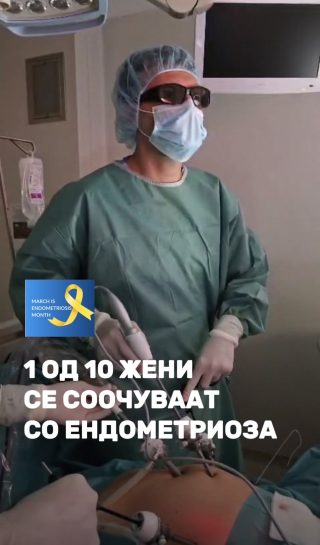
March is recognised as the month dedicated to raising awareness about endometriosis, a condition we frequently diagnose in our clinical practice, yet one that still remains under-recognised among many women. Although it is estimated that approximately one in ten women is affected, a significant number spend years without an accurate diagnosis, often assuming that their symptoms are a normal part of the menstrual cycle.
Endometriosis is a condition in which tissue similar to the lining of the uterus begins to grow outside of it. This tissue is most commonly found on the ovaries, within the pelvic cavity or around other pelvic organs, but in some cases it can extend to more complex anatomical locations. Despite being located outside the uterus, it responds to hormonal changes during the menstrual cycle, which can lead to inflammation, pain and the formation of adhesions over time.
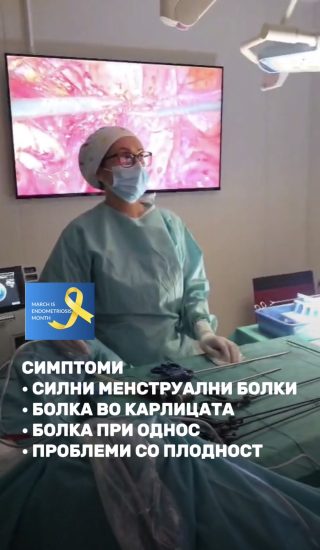
In our daily work at Plodnost, we often see patients whose symptoms have persisted for years before the condition is properly identified. Pain may be chronic, intensify during menstruation or occur during specific activities. In addition to pain, endometriosis can affect the normal function of pelvic organs, particularly when adhesions develop and alter their natural position.
One of the most important aspects of endometriosis is its potential impact on fertility. In some patients, the condition can make natural conception more difficult by disrupting pelvic anatomy, affecting egg quality or altering the environment necessary for implantation. For this reason, early diagnosis and an appropriate treatment approach are essential.
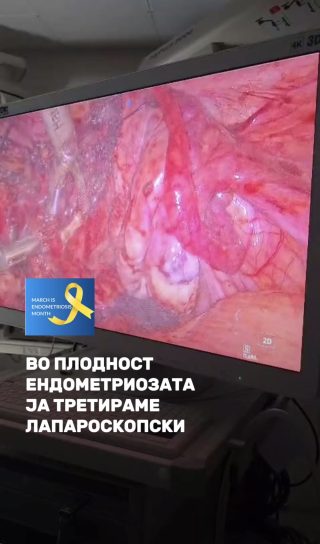
Modern medicine provides effective diagnostic and treatment options. In certain cases, laparoscopy remains the most reliable method for confirming the diagnosis and at the same time allows for the removal of endometriotic lesions. This minimally invasive approach enables us to work with precision, reduce surgical trauma and focus on preserving reproductive function.
At Plodnost, we approach every case individually. There is no universal treatment plan, as endometriosis presents differently in each patient. Our aim is to reduce symptoms, improve quality of life and, when relevant, create optimal conditions for pregnancy.Raising awareness about endometriosis is essential. The earlier the condition is recognised, the greater the chances for effective treatment and preservation of reproductive health. Any persistent or unusual symptoms should always be carefully evaluated.